
Why Niche Event Platforms Outperform General Sites
Table of Contents
- Why Niche Event Platforms Matter More Than You Think
- Target-Account Density and Audience Intent
- Is Eventbrite Good for Niche Cultural Events?
- Best Practices for Promoting Community-Driven Events
- How to Increase Event Visibility for Local Talent
- Cost-Efficiency and ROI: Why Niche Platforms Win
- Pipeline Impact and Revenue Attribution in Niche Spaces
- Conclusion: Choose Specificity Over Scale
- Frequently Asked Questions
Last Updated: September 28, 2026
Why Niche Event Platforms Matter More Than You Think
General event sites cast a wide net. But a wide net catches everything, including the wrong audience.
I’ve watched organizers pour energy into platforms built for scale, not specificity. Their event gets lost alongside thousands of others. Engagement suffers. Conversion tanks.
Here’s what changed: niche event platforms are built for precision. They attract people actively looking for exactly what you’re offering. They reduce friction. They amplify signal over noise.
A general platform like Eventbrite might show your event to thousands. But if 99% aren’t your audience, you’re still invisible where it counts.
At Reach LA Angels, we specialize in authentic cultural events and the audiences actively seeking them. We amplify local creators. We don’t try to be everything to everyone.
Organizers using targeted platforms see higher conversion rates and better ROI. The reason: intent alignment. When someone lands on a niche platform, they’re already primed to buy.
Target-Account Density and Audience Intent
On a general platform, your event competes with everything else. Music festivals sit next to corporate conferences. The algorithm doesn’t know your ideal attendee, so it shows your event to everyone.
Niche platforms filter for intent from day one. Someone on a platform dedicated to cultural events is already looking for cultural events. That’s your audience.
This is target-account density: the concentration of your actual audience in one space. High density means every impression counts. Every click has higher probability of converting.
A general platform might drive 500 page views. A niche platform might drive 50. But those 50 come from people who actively chose to be there. Warm leads, not cold traffic.
For cultural events, audience alignment is everything. You don’t want bodies in the room, you want the right bodies. People who understand the vibe and show up with the energy the event deserves.
We curate listings for events rooted in authentic community experience. Our audience seeks connection to the cultural fabric of the city. That alignment changes conversion rates and attendee quality.
Is Eventbrite Good for Niche Cultural Events?
Eventbrite is built for volume. It’s the default choice because it’s ubiquitous, not because it’s optimized for what niche cultural events actually need.
Eventbrite’s algorithm prioritizes events by ticket velocity and marketing spend, not community relevance. A well-funded corporate event will outrank your cultural experience every time. The platform surfaces what’s selling fastest, not what’s culturally significant.
For organizers, this creates a visibility tax. You either spend heavily on paid promotion or accept being buried. There’s no middle ground.
Eventbrite’s API handles basic ticketing but doesn’t integrate with community-focused CRM workflows. Segmenting by cultural affinity, tracking repeat attendance, or building engaged pipelines are afterthoughts. You’re exporting data and managing relationships elsewhere, creating friction.
Eventbrite’s checkout is optimized for speed, not community building. There’s no space for context or for attendees to signal their values. They’re buying a ticket, not joining a community.
For cultural events, this is a fundamental mismatch. You’re inviting people into an experience rooted in cultural values. Eventbrite doesn’t recognize that distinction.
The real question: Is it built for your goal? If you’re optimizing for maximum ticket sales, Eventbrite works. If you’re building community around shared values and cultural context, you need a platform that understands community, not just transactions.
Before choosing a platform, ask: Does it reward curation or just volume? Does it integrate with your CRM? Does it help you segment and retain attendees, or just process sales?
Best Practices for Promoting Community-Driven Events
Community-driven events live or die on engagement before the event even happens. Your promotion strategy has to build momentum, not just announce dates.
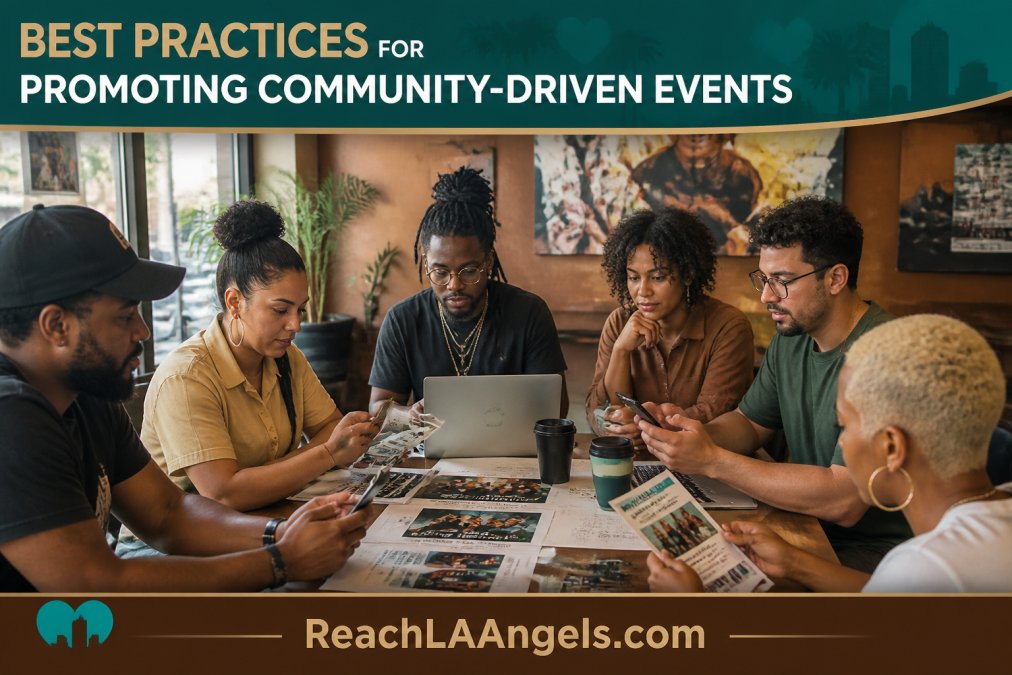
Start with your existing community. Your email list, your social followers, your past attendees, these are your foundation. They’re warm. They trust you. They’ll spread the word if the event resonates. Don’t treat them as a secondary channel. Treat them as your primary audience and build outward from there.
Tell the story, not just the logistics. People don’t attend events. They attend experiences. Your promotion should capture the vibe, the intention, the feeling of what’s about to happen. Share behind-the-scenes content. Feature the performers, creators, or speakers. Make people feel like they’re already part of something.
Use the right platforms for your audience. If your community lives on Instagram, that’s where you promote. If they’re more active on TikTok, meet them there. Don’t spread yourself thin across every platform. Focus on the channels where your actual audience spends time. And post your event on Event Promotion Services that actually reach the people you’re trying to connect with, not just generic marketplaces.
Create a sense of exclusivity without gatekeeping. Community events thrive on a feeling of “this is for us.” That doesn’t mean excluding people, it means being clear about who the event is for and why it matters to that specific group. That clarity actually attracts more of the right people.
Use word-of-mouth strategically. Ask past attendees to share. Offer early-bird pricing for people who bring friends. Create shareable content that feels authentic, not salesy. Word-of-mouth is the most powerful marketing tool for niche events because it comes with built-in trust.
Post your event on platforms where your community already gathers. Don’t expect them to find you on a general marketplace. Meet them where they are.
How to Increase Event Visibility for Local Talent
Local talent, musicians, artists, performers, creators, often get overlooked because they don’t have massive marketing budgets. But visibility isn’t about budget. It’s about strategy.
Feature the talent prominently in your promotion. Don’t bury performer names in fine print. Make them the centerpiece. People come for the experience, but they stay engaged when they know who’s delivering it. Give local creators the spotlight they deserve.
Build a narrative around the talent. Share their story. Why are they important to the community? What makes their work special? What should people know before they show up? This context turns a listing into an invitation.
Use niche platforms that prioritize curation. General platforms treat all events as inventory. Niche platforms treat events as cultural moments. When you list on a platform that actually understands and celebrates local talent, your event gets positioned accordingly. That positioning drives visibility to the right audience.
Cross-promote with other local creators. If your event features multiple artists or performers, have them share the event to their audiences. That’s not just reach, it’s credibility. When talent promotes the event themselves, their followers take it seriously. If you need help connecting with established event hosts and talent in LA, Erica “EMissyK” – Event Host Bookings can help amplify your reach.
Create shareable moments. Give attendees something worth posting about. Whether it’s a specific performance moment, a photo opportunity, or a unique experience, make it easy for people to share their attendance. That social proof becomes your best marketing.
The difference between an event that feels local and one that feels accessible is visibility. But visibility on the right platforms, to the right people, with the right framing.
Cost-Efficiency and ROI: Why Niche Platforms Win
This is where the math gets real. General platforms charge based on volume and take a percentage of every ticket sold. Niche platforms often deliver better returns on the marketing spend you actually invest.
The efficiency gap works in three layers:
Layer 1: Platform fees. General platforms absorb the cost of serving millions of events across every category. That cost gets passed to you. You’re paying for infrastructure that serves corporate conferences, fitness classes, and comedy shows, none of which are your audience. Niche platforms serve a specific community, so their infrastructure is leaner. Lower overhead means lower fees per transaction.
Layer 2: Organic visibility and paid-spend reduction. On a general platform, you’re competing for algorithmic attention with thousands of events. To stand out, you have to buy visibility through paid promotion. You’re paying to reach people who might not be your audience. On a niche platform, the audience is already filtered. Someone on a platform dedicated to cultural events in your city is already looking for cultural events. Your organic visibility is higher because the platform itself is doing audience segmentation. That means you spend less on paid promotion to reach the same number of qualified leads.
Layer 3: Conversion quality and repeat attendance. This is where niche platforms create compounding returns.
Don’t optimize for ticket volume. Optimize for attendee quality and retention. A niche platform with 50 highly engaged attendees who return for your next event beats a general platform with 200 one-time ticket buyers.
Pipeline Impact and Revenue Attribution in Niche Spaces
Understanding the full impact of your event requires looking beyond ticket sales. Revenue attribution in niche spaces works differently than in general marketplaces.
Conclusion: Choose Specificity Over Scale
The temptation is always toward scale. More platforms. More visibility. More noise.
Frequently Asked Questions
Why do niche event platforms have higher conversion rates than general ticketing sites?
Niche platforms attract attendees already looking for specific event types. On general sites, your event competes with thousands of unrelated listings. Niche platforms reduce noise and connect you with people who actually want what you’re offering. This targeted audience intent drives higher ticket sales and better attendance rates.
Is Eventbrite good for niche cultural events?
Eventbrite works for volume, but it’s built for discovery at scale. Your niche cultural event gets buried among millions of listings. Specialized platforms designed for community-driven events give you visibility with audiences actively seeking authentic cultural experiences. You get better positioning, stronger community relevance, and more qualified attendees.
How do I increase event visibility for local talent and creators?
Post on platforms built specifically for community events and cultural discovery. Use platforms that curate listings and connect creators directly with engaged audiences. Leverage community networks, cross-promote with other local organizers, and choose platforms that emphasize local talent. This approach reaches people who value supporting local creators over generic event discovery.
What’s the real difference in ROI between niche platforms and general sites?
Niche platforms deliver higher conversion rates because attendees arrive with intent. You spend less on promotion to reach the right people. General sites require higher marketing spend to cut through the noise. Attendee quality is higher, meaning better revenue per event and stronger community loyalty.
The choice between general and niche platforms isn’t really about features. It’s about philosophy. General platforms optimize for transaction volume. Niche platforms optimize for community impact. If you’re building something that matters to a specific community, choose the platform built for that work. Choose specificity. Choose Reach LA Angels.