
How to Reach Local Culturally Conscious Audiences
Table of Contents
- Start With Real Market Research
- Understand Cultural Nuances and Sensitivity
- How to Build Community Through Local Events
- How to Partner With Local Cultural Influencers
- Authentic Community Engagement Examples That Work
- Measure What Matters: ROI and Community Impact
- Avoid the Pitfalls: Cultural Appropriation and Performative Outreach
- Next Steps to Reach Culturally Conscious Audiences
- Frequently Asked Questions
Last Updated: September 25, 2026
Start With Real Market Research
You can’t reach people you don’t understand, and that’s the core of how to reach local culturally conscious audiences. That’s the foundation. Before you build anything, before you spend time, money, or energy, you need to know who you’re trying to reach and what they actually care about.
Real market research means getting boots on the ground. Talk to people in the communities you want to serve. Attend events. Listen to conversations. Pay attention to what gets people excited and what turns them off.
Look at the data too. Where do your target audiences spend time online? What topics do they engage with? What events are already thriving in your area? You’re not guessing here, you’re gathering intelligence that shapes everything else.
At Reach LA Angels, we’ve seen countless creators skip this step and wonder why their outreach falls flat. The ones who win are the ones who do the work upfront.
Key things to research:
- Demographic breakdown of your target community
- Online spaces where they gather and share
- Events and creators they already follow
- Values and causes that matter to them
- Pain points in how they currently discover events
This isn’t a one-time thing. Keep listening. Keep learning. The landscape shifts, and so should your approach.
Understand Cultural Nuances and Sensitivity
Cultural sensitivity isn’t a box to check. It’s a mindset. It means recognizing that different communities have different histories, values, and ways of communicating.
What works for one audience might offend another. A message that lands perfectly in one neighborhood might miss the mark entirely in another. The difference comes down to understanding context and nuance.
This is where many brands and creators stumble. They approach cultural outreach with a one-size-fits-all strategy. They use language that feels generic or, worse, appropriative. They miss the cultural intelligence required to build real trust.
Start here:
- Learn the history and context of the communities you’re engaging
- Understand what language, imagery, and messaging resonate authentically
- Know what feels exploitative versus celebratory
- Recognize the difference between appreciation and appropriation
- Listen more than you talk
The goal isn’t perfection. It’s genuine effort. Communities can tell the difference between someone who’s done their homework and someone just trying to extract value.
How to Build Community Through Local Events
Events are where connection happens. They’re where people show up in person, share space, and build relationships. If you want to know how to reach local culturally conscious audiences, local events are your most powerful tool.
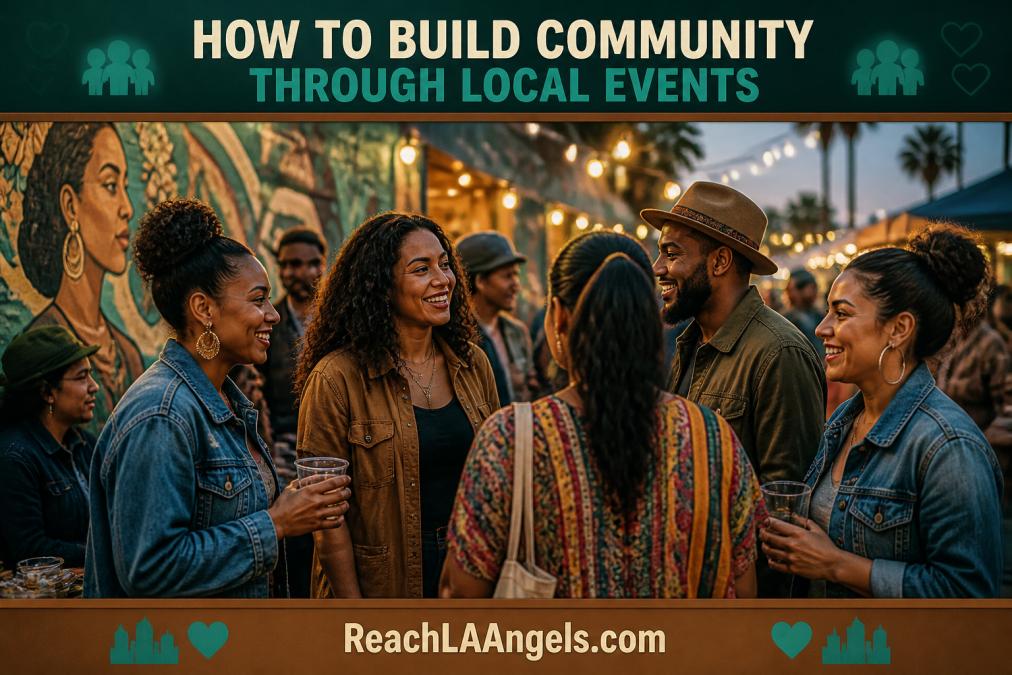
What makes an event work:
- It celebrates something real, a tradition, a milestone, a cultural moment
- It brings people together who already share values
- It’s hosted or supported by people from within the community
- The experience feels authentic, not commercialized
- There’s space for genuine connection, not just consumption
Events build community when they’re rooted in authentic culture and led by people from within the community.
How to Partner With Local Cultural Influencers
Influencers in culturally conscious communities aren’t always the ones with the biggest follower counts. They’re the people who have real trust and credibility.
How to identify the right partners:
- Look for people actively involved in community work
- Check their engagement, are people actually responding to what they share?
- See if their values align with yours
- Notice if they’re already trusted voices in the community
- Reach out directly with a real proposal, not a generic ask
Partnering with influencers who don’t actually have community trust will backfire. Audiences can sense inauthenticity immediately.
Authentic Community Engagement Examples That Work
Here’s what actually works:
Consistent presence. Show up regularly in the spaces where your audience is. Not as a brand trying to sell something, but as a participant in the community. Comment thoughtfully. Share resources. Celebrate local wins.
Measure What Matters: ROI and Community Impact
Most brands measure engagement by likes and follows. That’s not enough.
Here’s how to set up a real measurement system:
Tier 1: Community Health Metrics (Quarterly)
- Repeat attendance at events you promote (track names, not just count)
- Direct feedback from community leaders about authenticity and impact
- Growth in visibility for local creators you’ve partnered with (follower gains, speaking invitations, paid opportunities)
- Sentiment analysis: Are community members talking about your work positively in their own spaces?
- Retention: Are people engaging with your platform multiple times, or is it one-and-done?
Tier 2: Reach and Engagement (Monthly)
- Event attendance numbers and demographic breakdown
- Click-through rates from your promotions to creator pages or events
- Conversation depth: Are people commenting thoughtfully, or just liking?
- Share rate: Are community members amplifying your content to their networks?
- Response time to community questions or feedback
Tier 3: Value Exchange (Ongoing)
- Track what you’re giving: visibility, resources, connections, payment to creators
- Track what you’re receiving: audience growth, brand awareness, data
- Are they balanced? If you’re extracting more than you’re contributing, you’re not building community, you’re harvesting it.
- Document creator outcomes: How many got paid work, new partnerships, or audience growth as a result of your platform?
Red flags that your metrics are lying to you:
- High engagement numbers but low repeat attendance
- Lots of followers but community leaders say your work doesn’t feel authentic
- You’re growing but local creators aren’t
- People engage with your content but don’t show up to events
- Community members are complaining privately but your public metrics look good
Create a simple spreadsheet that tracks both quantitative metrics (attendance, reach) and qualitative feedback (community sentiment, creator outcomes, direct quotes from community leaders). Review it monthly. Let it guide your strategy adjustments.
Avoid the Pitfalls: Cultural Appropriation and Performative Outreach
This is where most brands fail. And the stakes are real: one misstep can damage your reputation permanently and harm the communities you’re trying to serve.
The distinction that matters: Appreciation vs. Appropriation
Here’s a practical framework:
Before you use any cultural element, ask:
-
Do I understand the history and context? Not surface-level knowledge. Real understanding. If you can’t explain why this matters to the community, you’re not ready to use it.
-
Who created this, and are they being credited and compensated? If you’re using a cultural tradition, artwork, music, or language, the people from that culture should be visibly credited and, if you’re profiting, they should be paid.
-
Am I centering the community or myself? If your brand is the hero of the story, you’re doing it wrong. The community should be the center. You’re the support.
-
Would someone from this culture feel respected or exploited? This is the gut check. If you’re unsure, ask. Talk to people from that community directly. Be willing to hear “no” and change course.
-
Is this a one-time gesture or a sustained commitment? Performative work is easy to spot because it stops. Real commitment shows up consistently, year-round, not just during designated months.
Red flags that signal appropriation or performativity:
- Using cultural imagery or language without understanding what it means
- Profiting from culture while community members don’t benefit
- Centering your brand’s story instead of the community’s
- Making one gesture and calling it done
- Talking about diversity without actually doing the work
- Using culture as a marketing tactic instead of building real relationships
- Featuring cultural elements but not featuring the people from that culture
- Asking community members to educate you for free instead of hiring cultural consultants
- Defending your work instead of listening when community members say it’s harmful
What accountability looks like:
The cost of getting this wrong:
If you’re not sure whether something is appropriative, that uncertainty is a signal to pause. Ask community members directly. Hire a cultural consultant. Do the work before you launch. It’s cheaper than the damage control afterward.
Next Steps to Reach Culturally Conscious Audiences
Start small and local. Pick one community you want to serve. Do real research. Build relationships. Prove you’re serious.
Frequently Asked Questions
What does authentic community engagement look like when reaching culturally conscious audiences?
Authentic engagement means showing up consistently, listening more than you talk, and letting community members lead the conversation. It’s not a one-time event or a checkbox. You invest time in understanding what matters to the people you’re reaching, their values, their history, their concerns. You follow through on commitments, credit the creators and organizers who make things happen, and you measure success by the relationships you build, not just attendance numbers. Real engagement requires cultural intelligence and a willingness to be corrected when you miss the mark.
How can event organizers avoid performative outreach and cultural appropriation?
Ask yourself: Am I centering the community or centering myself? Performative outreach happens when you show up for the optics without doing the actual work. Cultural appropriation occurs when you profit from or misrepresent cultural elements without understanding or crediting their origin. Avoid this by partnering directly with community members, compensating creators fairly, doing your research on cultural context, and being transparent about your intentions. If you’re not sure, ask. Listen to feedback without getting defensive. The community will tell you if you’re off.
What tools and methods work best for local audience research?
Start with social listening, watch where your target audience gathers online, what they’re talking about, and what resonates. Use surveys and direct conversations with community leaders. Check event attendance patterns in your area, follow local cultural organizations, and study what events draw the crowds you want to reach. Tools like social media analytics, local news outlets, and community forums give you real data. But the most valuable research happens boots on the ground: attending events, talking to organizers, and asking people directly what they want to see.
How do I know if my partnership with a local cultural influencer is authentic?
Real partnerships are mutual and transparent. An authentic influencer has genuine roots in the community, not just a large follower count. They should be able to speak honestly about the community’s needs and values. Before partnering, look at their track record: Do they consistently show up for the community? Do they credit and compensate other creators? Are they willing to have honest conversations about your brand’s alignment with community values? Authentic partnerships feel collaborative, not transactional. If it feels like you’re just renting their credibility, it’s not the right fit.
Reaching culturally conscious audiences isn’t a marketing hack. It’s about doing real work in real communities. It requires listening, learning, and genuine commitment. The brands and creators who win are the ones who understand that culture isn’t a trend, it’s something to be respected, celebrated, and uplifted. Start with that mindset, and everything else follows.